When you walk into a professional kitchen, a factory floor, or even a bathroom that hasn't seen a deep scrub in ages, the residue can be overwhelming. You might notice a film coating everything—a sticky, invisible layer that makes surfaces look dull and feel greasy. Many people use the terms "cleaning" and "degreasing" interchangeably, but in the world of industrial maintenance and home care, they are worlds apart. Understanding what is the difference between cleaning and degreasing? is crucial because using the wrong method can lead to ineffective results, wasted effort, or even damage to your surfaces. This guide will break down these two essential processes, helping you distinguish between surface maintenance and deep chemical remediation, so you can keep everything sparkling—and safely.
Understanding the Scope of Surface Cleanliness
At the most basic level, cleaning and degreasing both involve removing unwanted substances. However, their scope, their primary targets, and the chemicals they employ are fundamentally different. Think of it this way: cleaning is like giving your house a general tidying up, while degreasing is like calling in a specialized team just to tackle the most stubborn, baked-on muck.
Cleaning: The General Refresh
Cleaning is a broad, encompassing term that refers to the general removal of visible dirt and grime. It is the everyday maintenance routine. When we talk about cleaning, we are usually aiming to remove particulate matter, light stains, dust, and general surface buildup.
- What it removes: Dust, superficial stains (like coffee rings or soap scum), loose dirt, and light film buildup. The method: Often involves physical scrubbing, mild detergents, and rinsing. Goal: To restore the surface to a generally sanitary and aesthetically pleasing state.
Cleaning is the foundational step. If you only clean, you might remove the dust bunnies, but if there is a heavy layer of cooking grease underneath, the grease will simply be re-suspended and will reappear later.
Degreasing: Targeting the Invisible Enemy
https://gregoryvvax697.tearosediner.net/finding-the-clean-sweep-what-types-of-rangehood-cleaning-services-are-available-in-parramattaDegreasing is a much more specialized, chemical process. It is not merely about scrubbing; it is about chemical dissolution. A degreaser is specifically formulated to break down and lift oily, fatty, and greasy residues that are bonded to a surface.
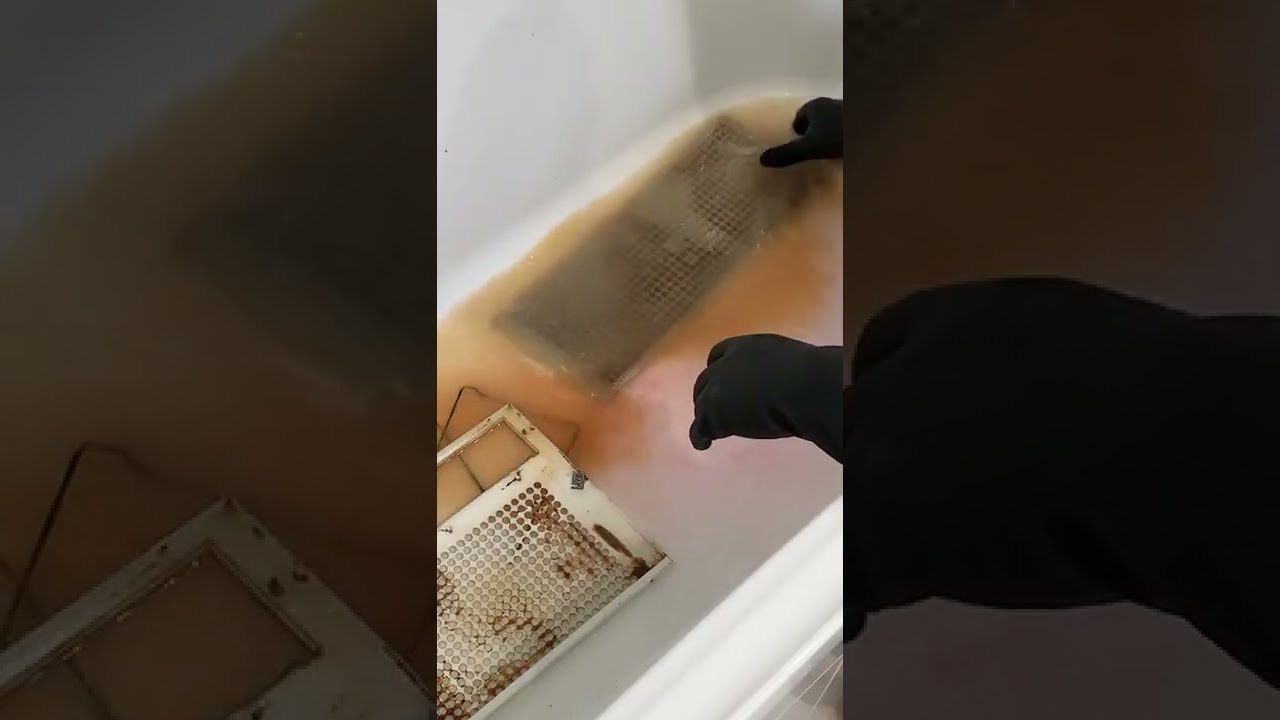
- What it removes: Oils, fats, grease, industrial lubricants, and polymerized residues (like burnt carbon). The method: Requires powerful surfactants and solvents that emulsify the grease, turning it into a soapy liquid that can be rinsed away. Goal: To strip the surface down to a bare, clean state, removing the foundational film that causes stickiness and dullness.
If cleaning is taking out the trash, degreasing is dealing with the septic blockage—you need a specialized chemical approach to truly fix the underlying problem.
The Chemistry Behind the Clean: How They Work Differently
The key difference lies in the nature of the contaminants and the mechanism of removal. Can you imagine trying to scrub away old motor oil with just dish soap? It's like using a teaspoon to drain a bathtub—it simply won't work.
Understanding Soil vs. Grease
To grasp the distinction, we must understand the difference between "soil" and "grease."
Soil refers to the loose, particulate matter—the stuff you can wipe up with a damp cloth. It's dirt, dust, pet hair, and general grime. These are relatively easy to remove with simple detergents and physical abrasion.
Grease, on the other hand, is an oily substance, primarily composed of lipids (fats and oils). Grease is often sticky, semi-solid, and adheres strongly to porous surfaces through adhesion and chemical bonding. Because it is fundamentally different from dust, standard cleaners are often insufficient.
A great way to understand the power of a degreaser is to think of it as a highly skilled chemical solvent. It doesn't just push the grease off; it chemically undoes the grease's bond with the surface, allowing it to be washed away with minimal effort.
The Role of Surfactants
Many modern degreasers rely heavily on surfactants (surface-active agents). These chemical compounds are the heroes of the operation. They have two ends: one end that loves water (hydrophilic) and one end that loves oil (lipophilic). When the degreaser hits the greasy film, the lipophilic end sticks into the grease, while the hydrophilic end sticks out into the water. This action effectively encapsulates the oil droplets, allowing them to be suspended in the water and rinsed away—a process called emulsification.
"It's not just a scrub," as one industrial cleaner wisely noted, "it's a molecular negotiation. The degreaser convinces the grease to leave."
When to Use Which Method: Practical Applications
Knowing what is the difference between cleaning and degreasing? is one thing; applying that knowledge in the real world is another. The decision rests entirely on the type of buildup you are facing.
Situations Calling for Simple Cleaning
You should opt for general cleaning when:
- The surface has only accumulated visible dust or superficial grime. The dirt is primarily particulate matter (e.g., a lightly soiled countertop). The buildup is easily visible and non-sticky.
Situations Demanding Degreasing Power
You absolutely must use a degreaser when:
- You are cleaning kitchen equipment (stoves, hoods, fryers) coated in polymerized fats. You are working with machinery or tools that have caked-on industrial oils or lubricants. The surface has a sticky, rainbow-like film that standard soap and water cannot lift.
Consider the deep fryer in a commercial restaurant. A simple cleaning won't cut it; the accumulated fats have hardened and bonded to the metal, requiring a heavy-duty degreaser to break the bond.

Choosing Your Approach: A Systematic Approach to Cleanliness
Since both methods are critical for maintaining hygiene and efficiency, the best approach often involves a systematic combination. You don't have to choose one or the other—you simply need to recognize which problem requires which solution.
- Inspect First: Before applying any product, look closely at the residue. Is it fluffy and dry (needs cleaning)? Or is it dark, sticky, and oily (needs degreasing)? Start Broad, Finish Deep: For a total overhaul, begin with general cleaning to remove loose debris, followed by a targeted degreasing step to tackle the sticky, built-up residue. Safety First: Always wear appropriate personal protective equipment (PPE) when handling strong degreasers, as they are often highly alkaline or acidic.
Mastering this distinction means you stop treating symptoms and start addressing the root causes of buildup. It ensures that your cleaning efforts are efficient, effective, and—most importantly—safe for your materials. By understanding the chemistry and the practical applications of both processes, you move beyond simply scrubbing and begin truly restoring surfaces to their optimal condition.
By making informed decisions about whether you need a general clean or a powerful degreasing solution, you are not just making a cleaning choice; you are ensuring the longevity and efficiency of whatever surface you are working on.